

Introduction: Why Many People Ignore Piles
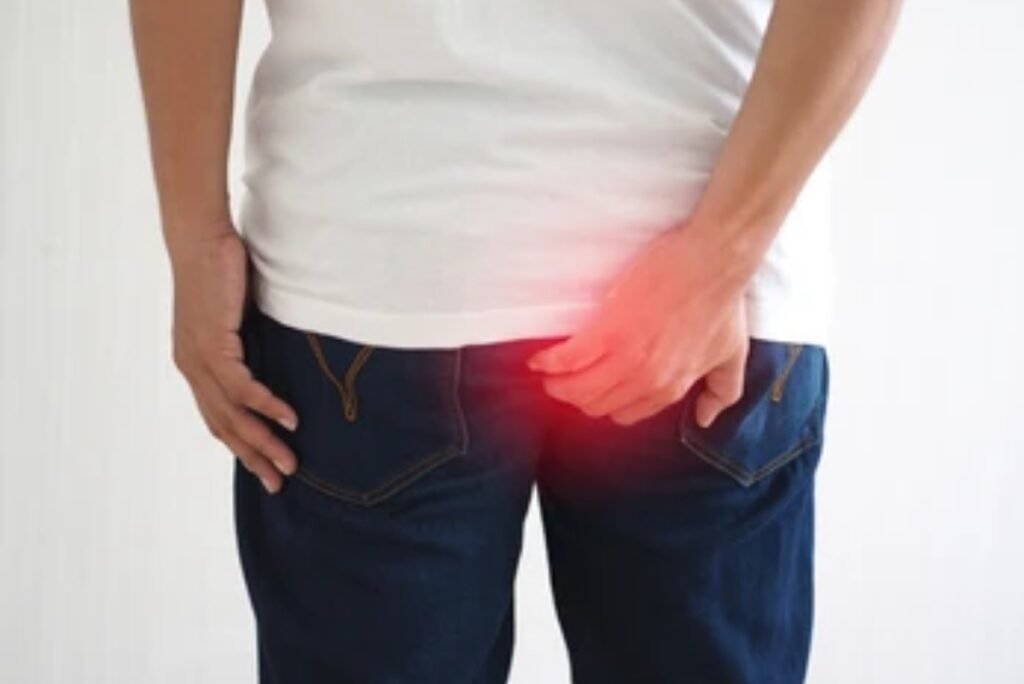
Piles are a common condition, yet many people hesitate to talk about them or seek medical help. Due to embarrassment or the belief that the problem will resolve on its own, treatment is often delayed. However, ignoring symptoms can lead to worsening discomfort and complications over time. Seeking timely piles treatment is important not only for relief but also to prevent the condition from progressing.
What Are Piles and Why Do They Develop?
Piles, also known as hemorrhoids, are swollen veins in the rectum or around the anus. They can be internal or external and are usually caused by increased pressure in the lower rectum. Common factors include chronic constipation, straining during bowel movements, a low-fiber diet, prolonged sitting, pregnancy, and obesity. While early-stage piles may seem manageable, neglecting them can lead to more serious issues.
Is Piles Dangerous If Left Untreated?
In the early stages, piles may cause mild symptoms such as slight discomfort, itching, or occasional bleeding. However, if left untreated, the condition can gradually worsen. What begins as a minor inconvenience can develop into persistent pain, swelling, and more complex complications that require medical intervention.
Complications of Untreated Piles You Should Know
Chronic Bleeding and Anemia: Repeated bleeding over time can lead to iron deficiency anemia, causing weakness, fatigue, and reduced overall health.
Severe Pain and Discomfort: As piles progress, inflammation increases, making daily activities like sitting or passing stool painful.
Prolapsed Piles: In advanced cases, the swollen veins may protrude outside the anus, leading to irritation and hygiene challenges.
Thrombosed Piles: Blood clots can form within the piles, causing sudden and intense pain along with swelling.
Infection and Irritation: Untreated piles can lead to irritation of surrounding skin and, in some cases, infection.
Warning Signs That Indicate You Need Immediate Care
Certain symptoms should not be ignored and require prompt medical attention. These include persistent or heavy bleeding, severe pain during bowel movements, a lump that does not go back inside, or symptoms that do not improve with home remedies. At this stage, consulting a specialist for proper piles treatment becomes essential to avoid further complications.
Treatment Options for Piles
The choice of treatment depends on the severity of the condition and the symptoms experienced.
Non-Surgical and Minimally Invasive Options: In the early stages, lifestyle changes such as increasing fiber intake, staying hydrated, and avoiding straining can help manage symptoms. Medical procedures like Infrared Coagulation, Rubber Band Ligation, and Sclerotherapy are commonly used to treat mild to moderate piles effectively.
Advanced and Surgical Treatments: For more severe cases, advanced solutions may be required. Laser treatment for piles has become a preferred option due to its precision, minimal pain, and faster recovery. Traditional surgical approaches such as Hemorrhoidectomy and Stapler Surgery are also effective, especially in advanced or recurrent cases.
Why Early Treatment Makes a Big Difference
Early diagnosis and treatment can prevent complications and reduce the need for more invasive procedures. Addressing the problem at the right time ensures quicker recovery, less discomfort, and better long-term outcomes. Ignoring symptoms, on the other hand, can lead to prolonged suffering and more complex treatments.
Prevention Tips to Avoid Piles Getting Worse
Maintaining healthy bowel habits is key to preventing piles from worsening. A fiber-rich diet, adequate hydration, and regular physical activity help ensure smooth digestion. Avoiding prolonged sitting and reducing strain during bowel movements can also significantly lower the risk of progression.
Early Treatment Can Prevent Serious Complications
Piles may start as a minor issue, but they can become serious if left untreated. Recognizing the symptoms early and seeking timely medical advice can help prevent complications and ensure effective treatment. Taking action at the right time is the best way to protect your health and comfort.