Can Piles Heal Without Surgery?
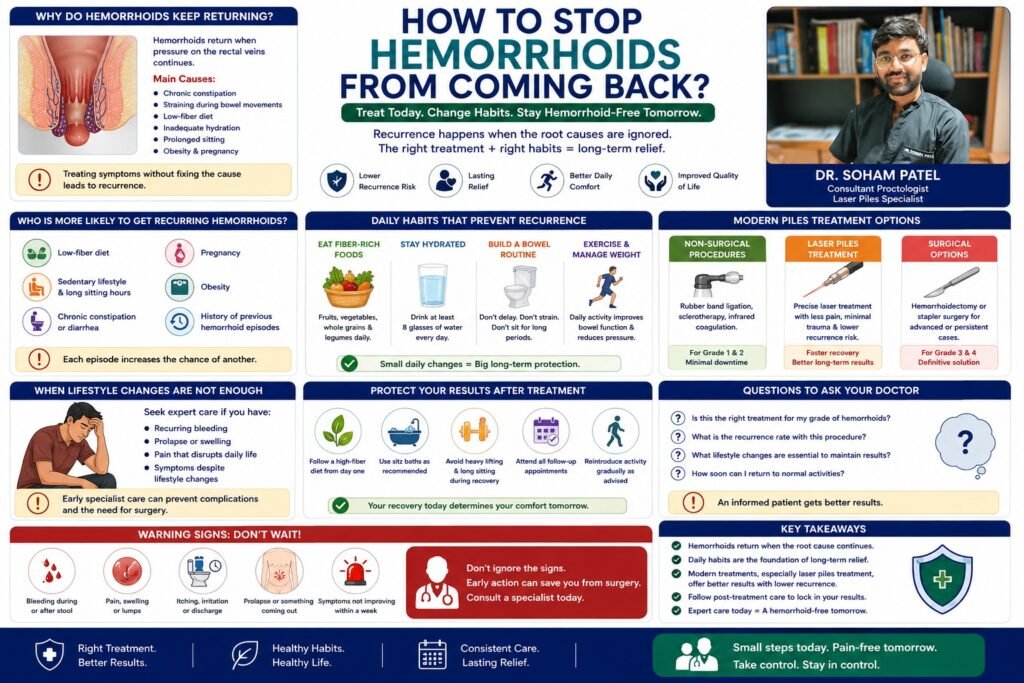
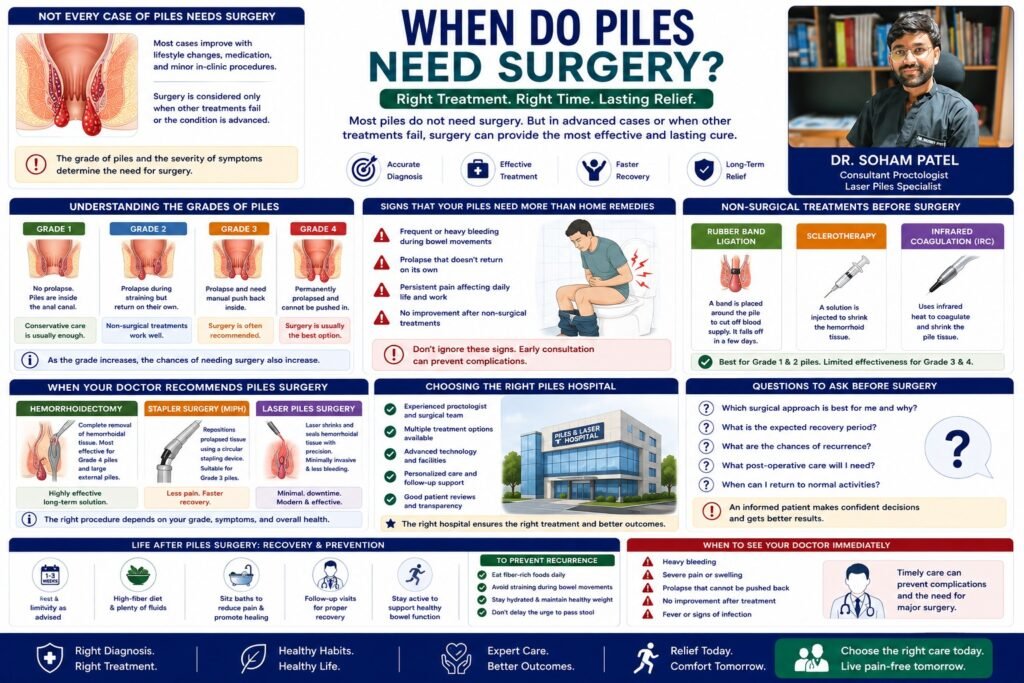
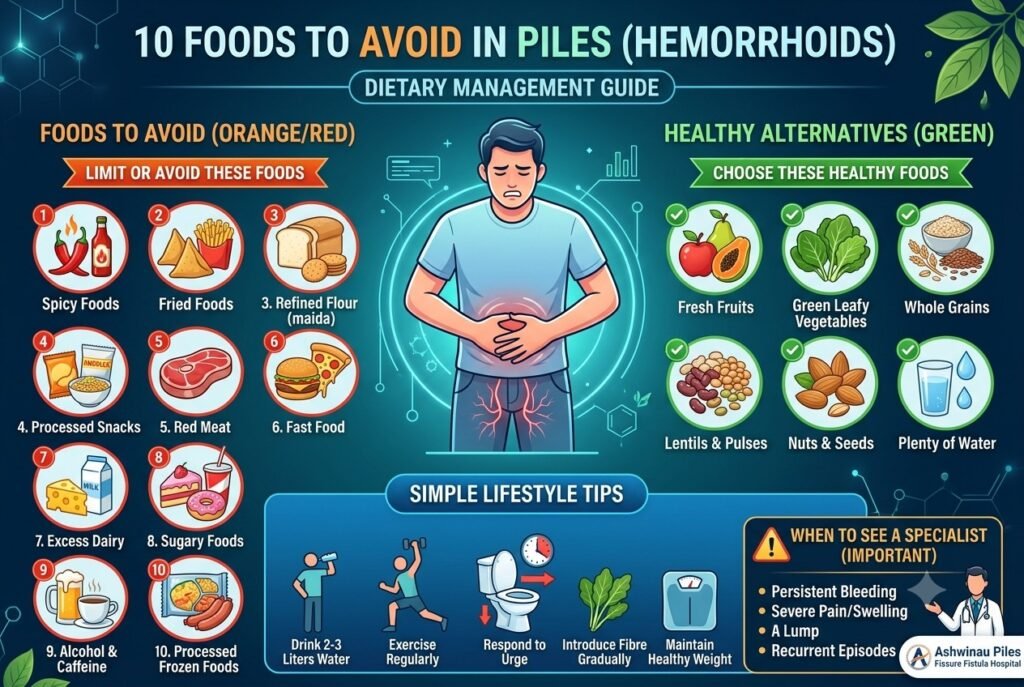
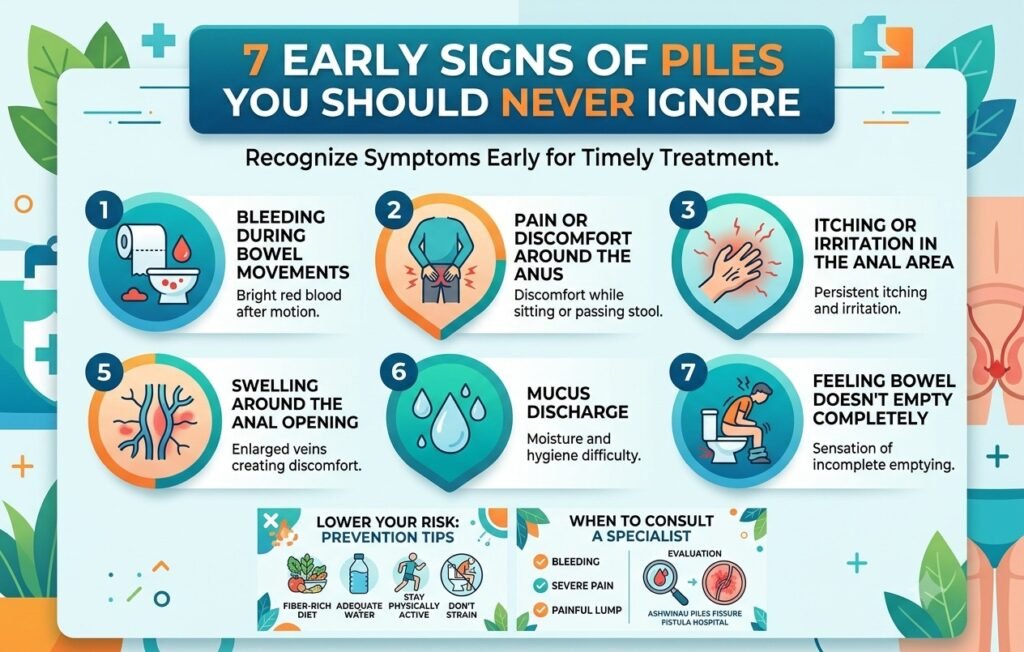
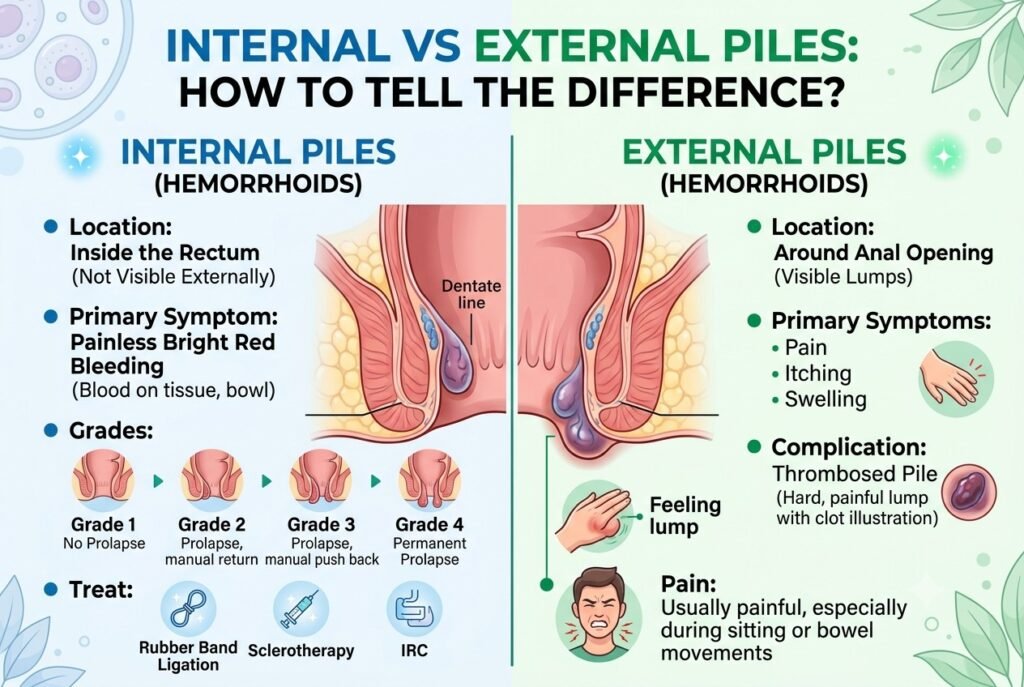
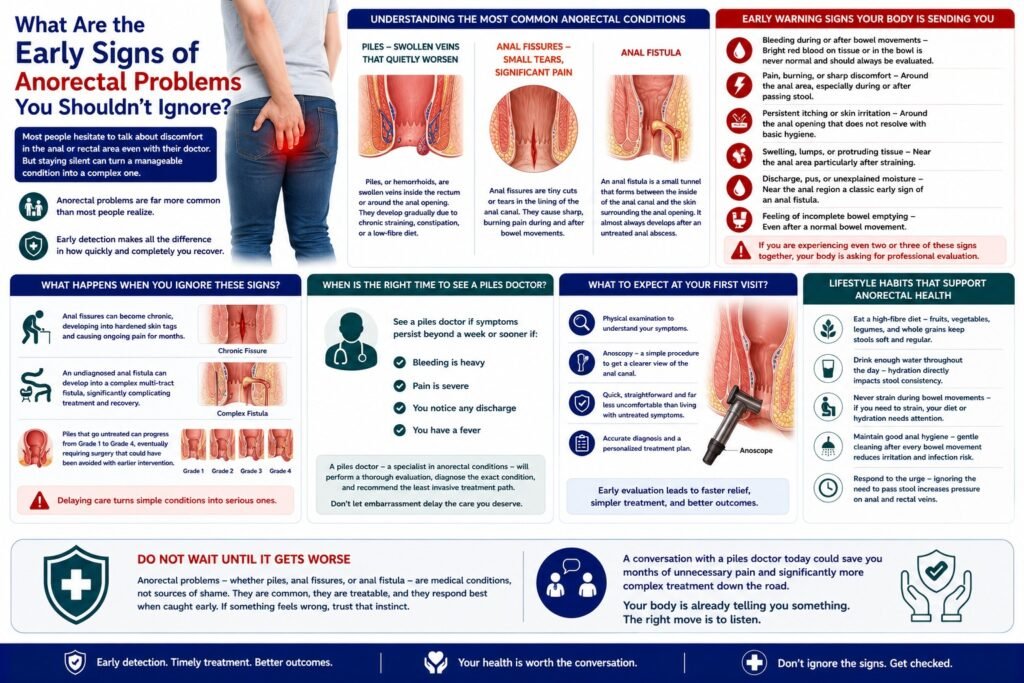
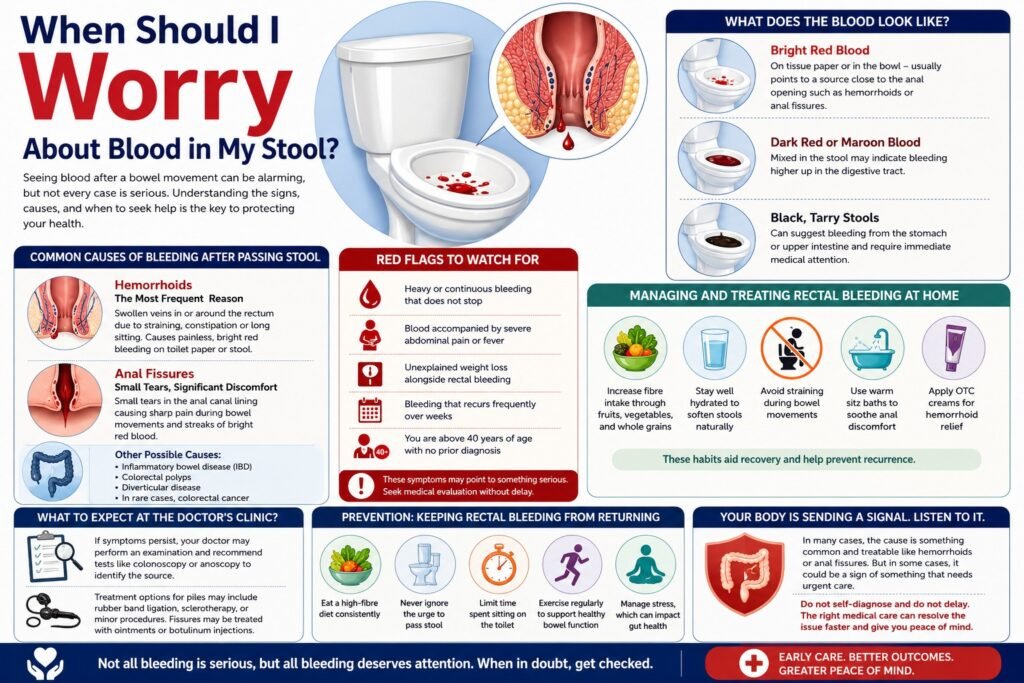
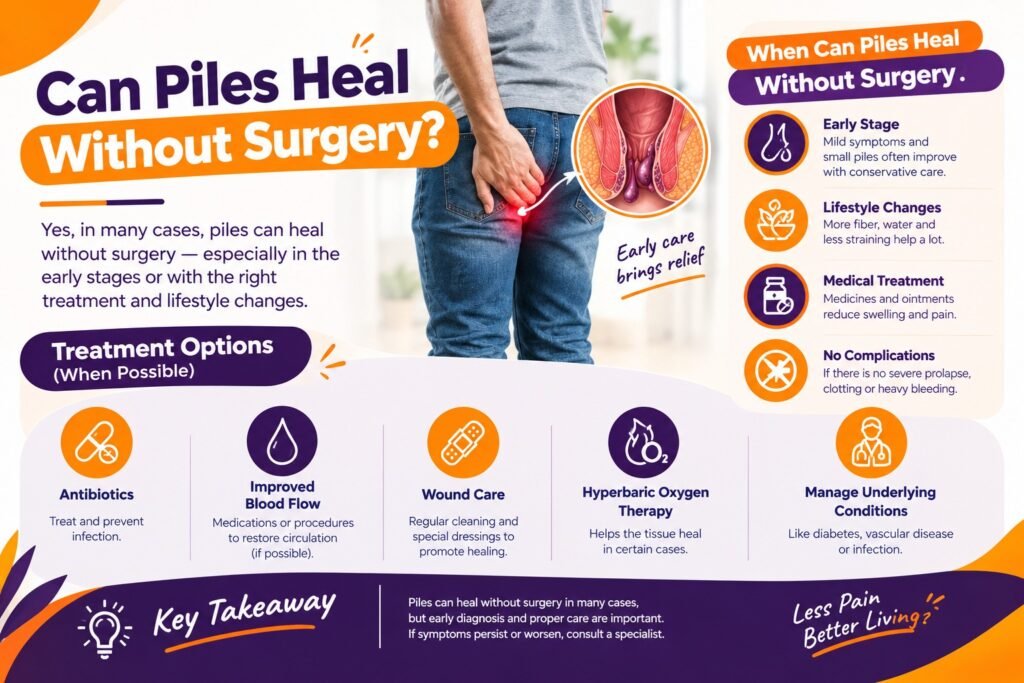
Can Piles Heal Without Surgery? Piles, also called hemorrhoids, are swollen veins around the anus or lower rectum. They can cause itching, discomfort, swelling, or bleeding during bowel movements. The good news is that not every case of piles requires surgery. Mild symptoms may improve with changes in diet, bowel habits, and daily routine, while more persistent or severe cases may need medical treatment. Understanding what is causing the symptoms and how severe the condition is can help determine whether conservative care is enough or whether further treatment is needed. Can Piles Get Better Without Surgery? Yes, some piles can improve without surgery, particularly when symptoms are mild and related to constipation, straining, or unhealthy bowel habits. Increasing fibre intake, drinking enough fluids, avoiding excessive straining, and keeping bowel movements regular can help reduce pressure on the veins around the rectum. However, improvement depends on the type and severity of piles. Symptoms that continue, return frequently, or become more severe should not simply be ignored. What Helps Piles Improve Naturally? Increase Fibre in Your Daily Diet Fibre helps make stools softer and easier to pass. Include foods such as vegetables, fruits, whole grains, and other fibre-rich options in your regular diet. If increasing dietary fibre is difficult, a doctor may also recommend a fibre supplement. Drink Enough Fluids Adequate fluid intake can support softer stools and make bowel movements easier. This is particularly useful when constipation is contributing to piles. Avoid Straining During Bowel Movements Repeatedly pushing or straining can increase pressure in the veins around the anus. Try to respond to the urge to pass stool rather than delaying it, and avoid spending unnecessary time sitting on the toilet. When Do Piles Need Medical Treatment? Not every symptom can be managed through diet and lifestyle changes alone. Persistent bleeding, significant swelling, prolapse, or recurring symptoms may require further evaluation. A piles doctor can assess whether the symptoms are caused by internal or external hemorrhoids and determine how advanced the condition may be. Depending on the findings, treatment could involve medicines, an office-based procedure, or surgery when necessary. Persistent or Recurrent Bleeding Bleeding during bowel movements should not automatically be assumed to be piles. Other conditions can also cause rectal bleeding, so persistent or unexplained bleeding should be medically evaluated. Prolapsed or Enlarged Piles Some internal piles can protrude through the anus, particularly during bowel movements. Depending on their severity and whether they return inside on their own, medical or procedural treatment may be considered. Severe Pain or Swelling Significant pain, swelling, or a painful lump around the anus deserves medical assessment, particularly when symptoms appear suddenly or become difficult to manage. How Does a Piles Doctor Choose the Right Treatment? The appropriate approach depends on the symptoms, medical history, type of piles, and findings during examination. A doctor may perform a physical examination and, when necessary, use an anoscopy or another examination method to understand the cause of the symptoms. Some patients may benefit from office-based treatments such as rubber band ligation, sclerotherapy, infrared coagulation, or other procedures. More advanced cases that do not respond to other treatments may require surgery. Can Lifestyle Changes Help Prevent Piles From Returning? Even after symptoms improve, maintaining healthy bowel habits can help reduce the chances of recurrence. A fibre-rich diet, adequate fluids, regular physical activity, avoiding excessive straining, and not spending too long on the toilet can all support better bowel habits. When Should You Visit a Piles Hospital? If piles symptoms are persistent, recurring, associated with bleeding, or affecting your daily activities, a medical evaluation can help identify the right next step. Visiting a piles hospital allows the condition to be assessed properly rather than relying only on home remedies. At Ashwinau Piles Fissure Fistula Hospital, patients can seek evaluation for piles and related anorectal conditions and discuss treatment options based on their symptoms and diagnosis. Choosing the Right Approach for Long-Term Relief Piles do not always mean surgery. Mild cases may settle with appropriate dietary and lifestyle changes, while persistent or advanced cases may require medical procedures. The important step is to understand the cause of the symptoms and choose treatment accordingly. If symptoms continue despite home care, consulting a piles doctor can help determine whether further piles treatment is needed.