

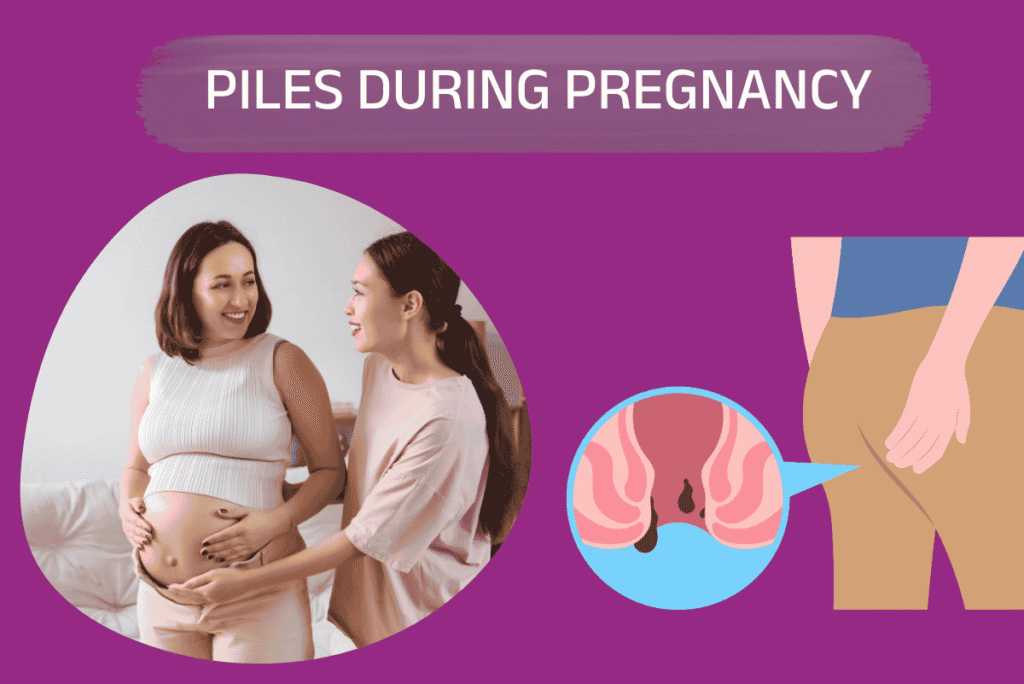
Pregnancy and Piles: The Real Reasons It Happens and Your Complete Guide to Safe Relief
Pregnancy brings joy, anticipation and for many women, an uncomfortable surprise: piles. If you’ve noticed itching, swelling, or discomfort around your rectal area during pregnancy, you’re far from alone. Piles (also called haemorrhoids) affect a significant number of expectant mothers, especially in the second and third trimesters. The good news? Understanding why they happen is the first step toward finding real relief.
What Are Piles and Why Does Pregnancy Trigger Them?
Piles are swollen veins in and around the rectum and anus. Think of them like varicose veins except they develop in a place nobody talks about at the dinner table.
Pregnancy creates the perfect storm for piles to develop. As your baby grows, the uterus places increasing pressure on the pelvic veins, slowing blood flow and causing veins in the rectal area to swell. On top of that, the hormone progesterone which surges during pregnancy relaxes the walls of your blood vessels, making them more prone to swelling. Increased blood volume across the body adds further strain.
Internal vs External: How They Feel Different
Not all piles present the same way. Internal piles form inside the rectum and are often painless, though they may bleed during bowel movements. External piles develop under the skin around the anus and tend to cause itching, soreness, and visible swelling. Some women experience both and pushing during labour can temporarily worsen symptoms.
Symptoms You Should Know About
Piles during pregnancy commonly cause:
- Bright red blood on toilet paper after a bowel movement
- Itching or burning sensation around the anus
- A feeling of fullness or incomplete bowel emptying
- Swelling or a lump near the anus
- Discomfort while sitting for long periods
Mild symptoms are manageable at home. However, if bleeding is persistent, pain becomes severe, or you notice hard lumps, consult your doctor promptly these could indicate a thrombosed haemorrhoid or another condition that needs attention.
Managing Piles Safely During Pregnancy:
Dietary Adjustments That Make a Real Difference
Constipation is one of the biggest triggers for piles, and diet plays a central role. Aim for 25-30 grams of fibre per day through fruits, vegetables, whole grains, and legumes. Drink 8-10 glasses of water daily to keep stools soft and passing easily. Avoid processed foods, excess dairy, and caffeine, as these can slow digestion and worsen constipation.
Comfort Measures at Home
Warm sitz baths sitting in shallow warm water for 10-15 minutes, two to three times a day provide significant relief. Witch hazel pads can soothe inflammation, and applying a wrapped ice pack briefly reduces swelling. Avoid sitting or standing for extended periods, and consider a donut cushion to ease pressure while seated.
When Home Care Isn't Enough: Piles Treatment During Pregnancy?
If symptoms persist despite home remedies, your doctor may recommend doctor-approved topical creams, stool softeners, or safe fibre supplements. The goal of any piles treatment during pregnancy is symptom management surgical procedures are generally avoided until after delivery, as most cases improve significantly once the baby is born and hormone levels normalise.
After Delivery: Is Laser Treatment for Piles Worth Considering?
For women whose piles do not resolve after childbirth, modern medical options offer effective, low-downtime solutions. Laser treatment for piles has become a preferred choice for post-delivery care. It is minimally invasive, requires no large incisions, involves very little bleeding, and typically allows patients to return to normal activities within a day or two. It works by using focused laser energy to shrink and seal the swollen tissue precisely. If you still have symptoms six weeks after delivery, it’s worth discussing laser treatment for piles with a specialist to determine if you’re a suitable candidate.
Prevention for Future Pregnancies
Once you know the triggers, prevention becomes manageable. Stay physically active with gentle daily walks, maintain a high-fibre diet from the start of pregnancy, respond to toilet urges immediately without straining, and raise the topic early with your gynaecologist if you’ve had piles before.
You Don't Have to Just Put Up With It
Piles during pregnancy are common, but suffering in silence is not your only option. From simple dietary tweaks and sitz baths to doctor-guided piles treatment and laser treatment for piles after delivery effective, safe options exist at every stage. The sooner you address symptoms, the more comfortable your pregnancy journey can be. Speak to your healthcare provider without hesitation; this is one of the most frequently asked and most manageable concerns during pregnancy.
Frequently Asked Questions
Can piles harm my baby during pregnancy?
No. Piles affect your comfort but pose no risk to your baby’s health or development.
Is laser treatment for piles safe after delivery?
Yes, it is generally considered safe and effective for women who are no longer pregnant or breastfeeding. Always consult your specialist for personalised advice.
How soon do piles go away after childbirth?
Many women see significant improvement within a few weeks postpartum as hormone levels stabilise and uterine pressure lifts.
What foods should I avoid if I have piles while pregnant?
Avoid spicy foods, refined grains, excess dairy, caffeine, and processed snacks all of which can contribute to constipation and worsen symptoms.